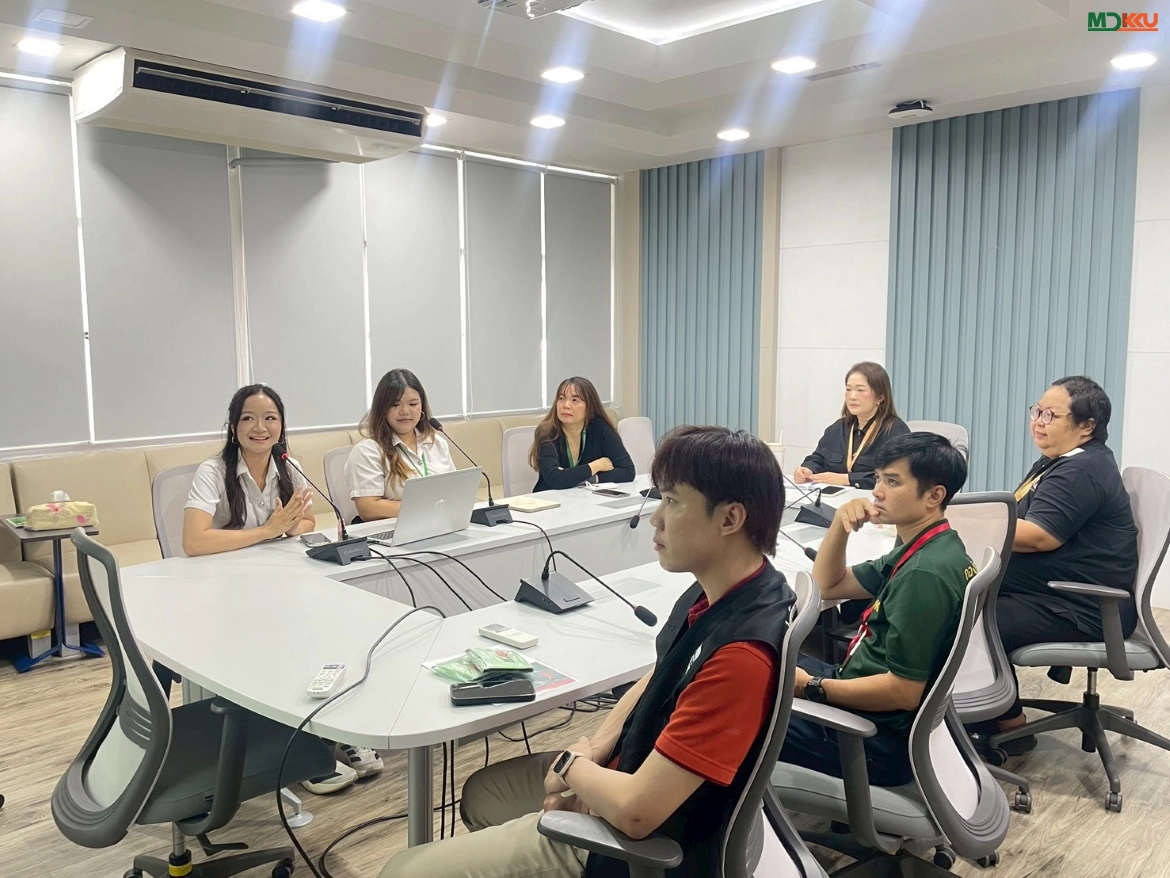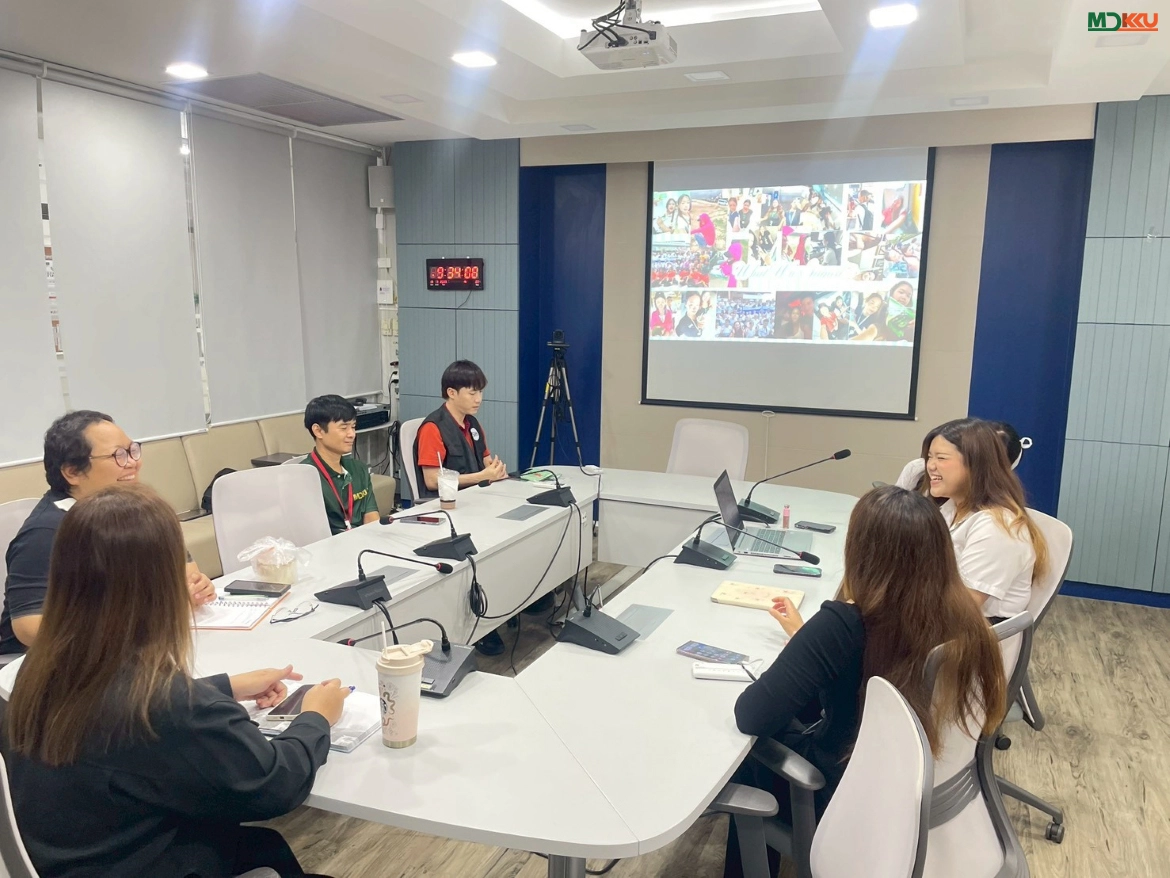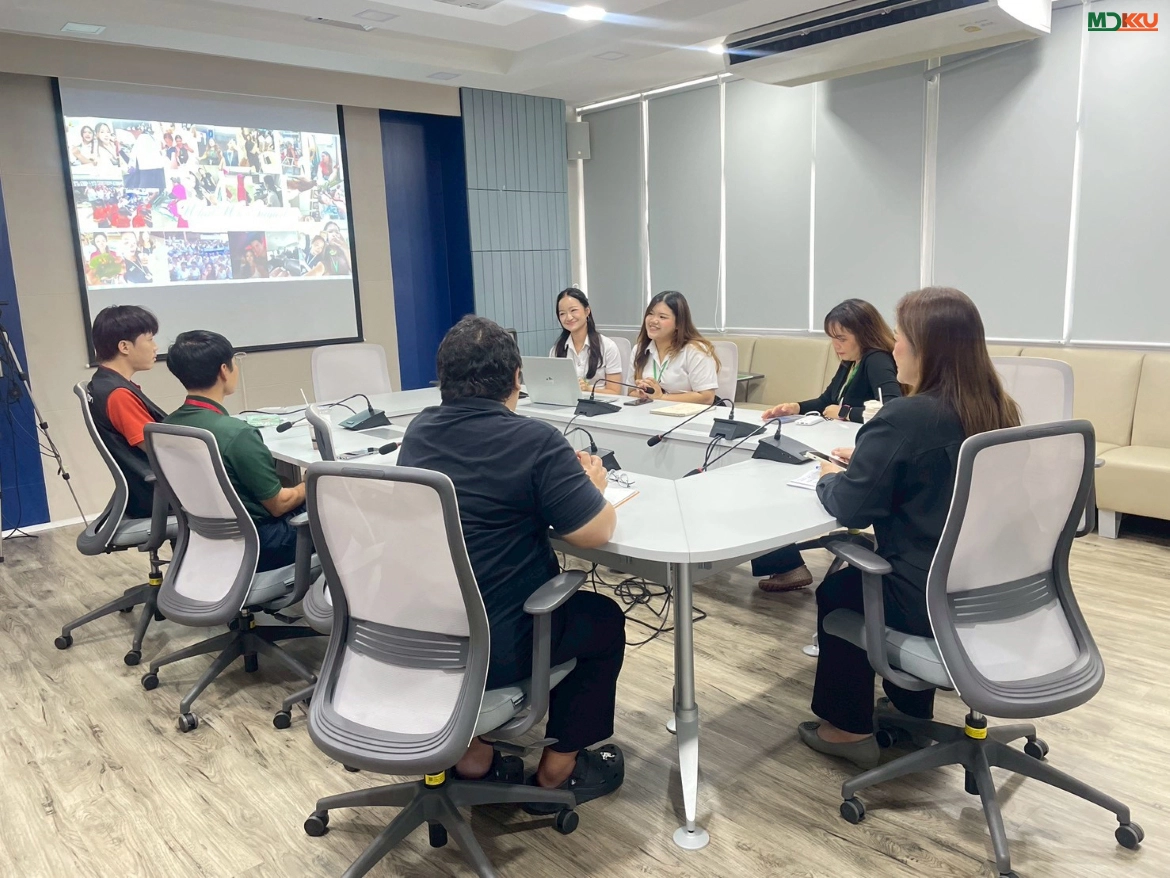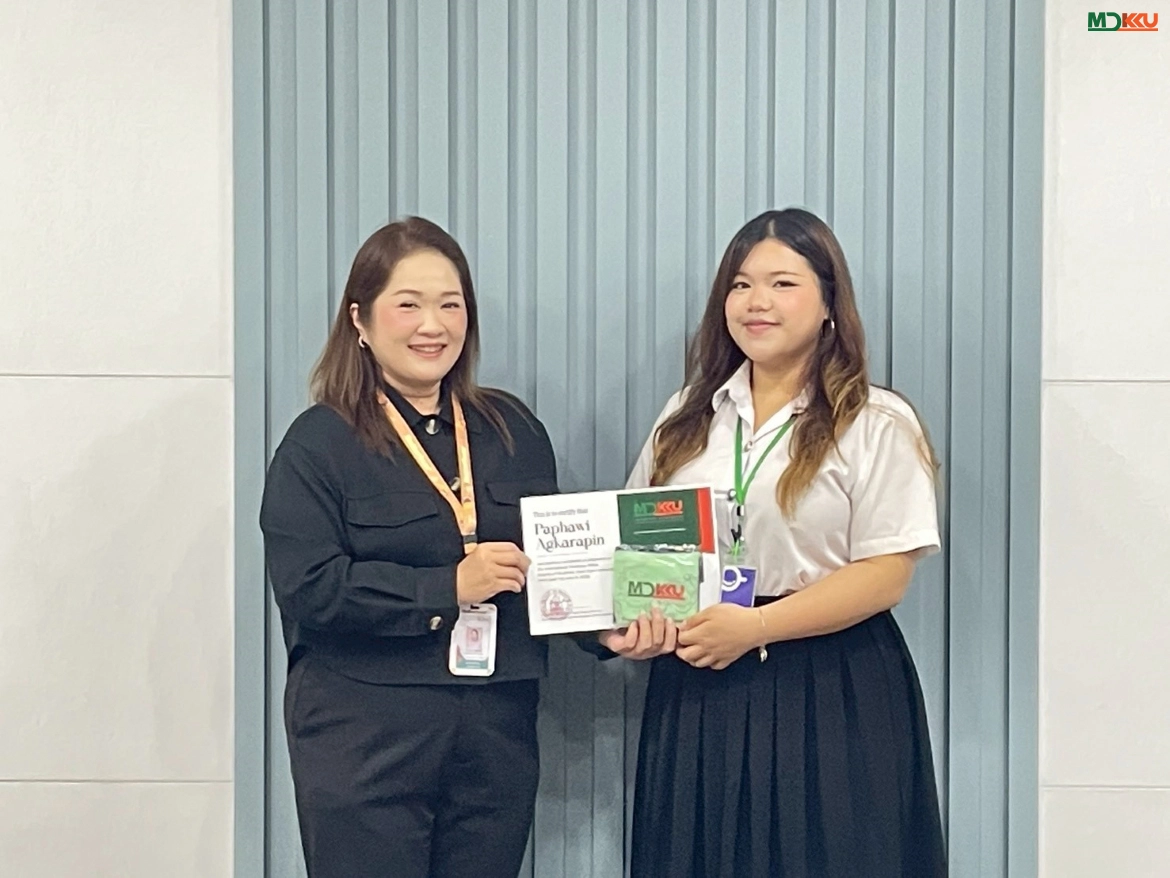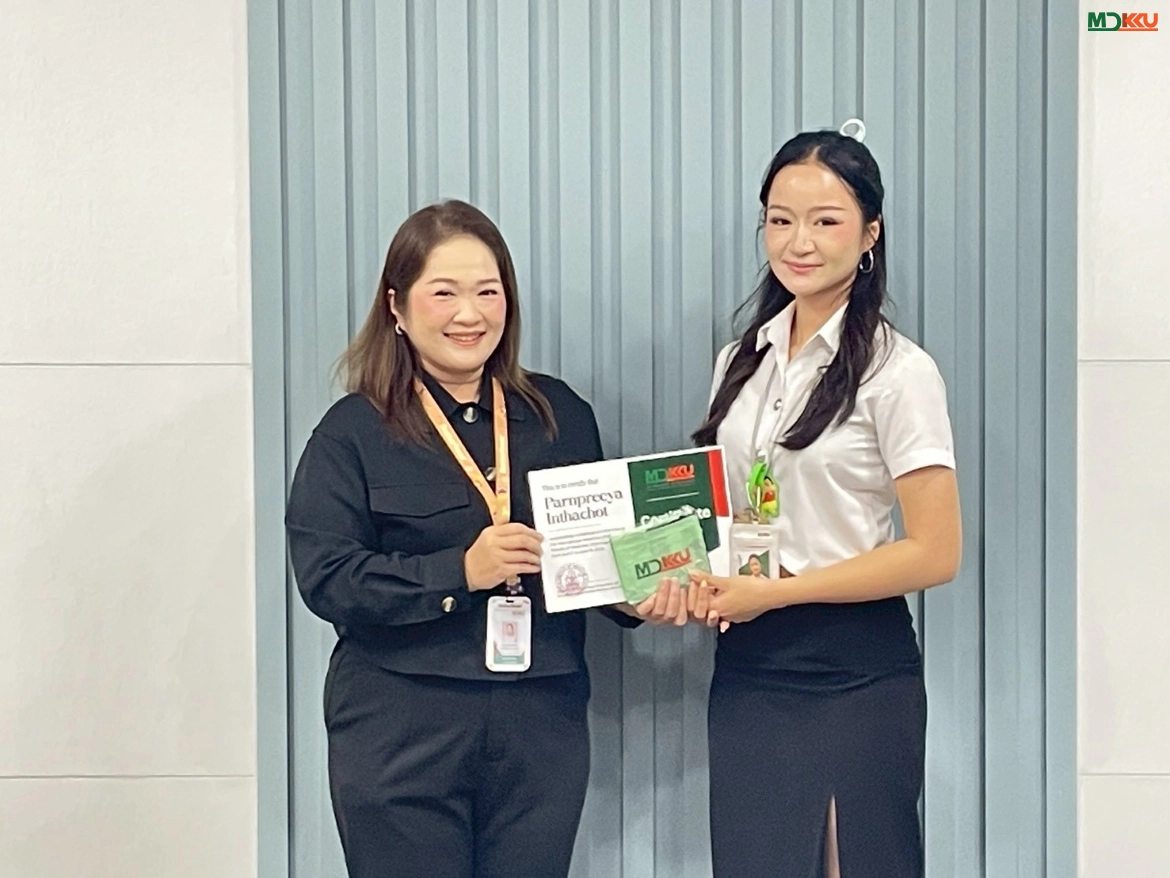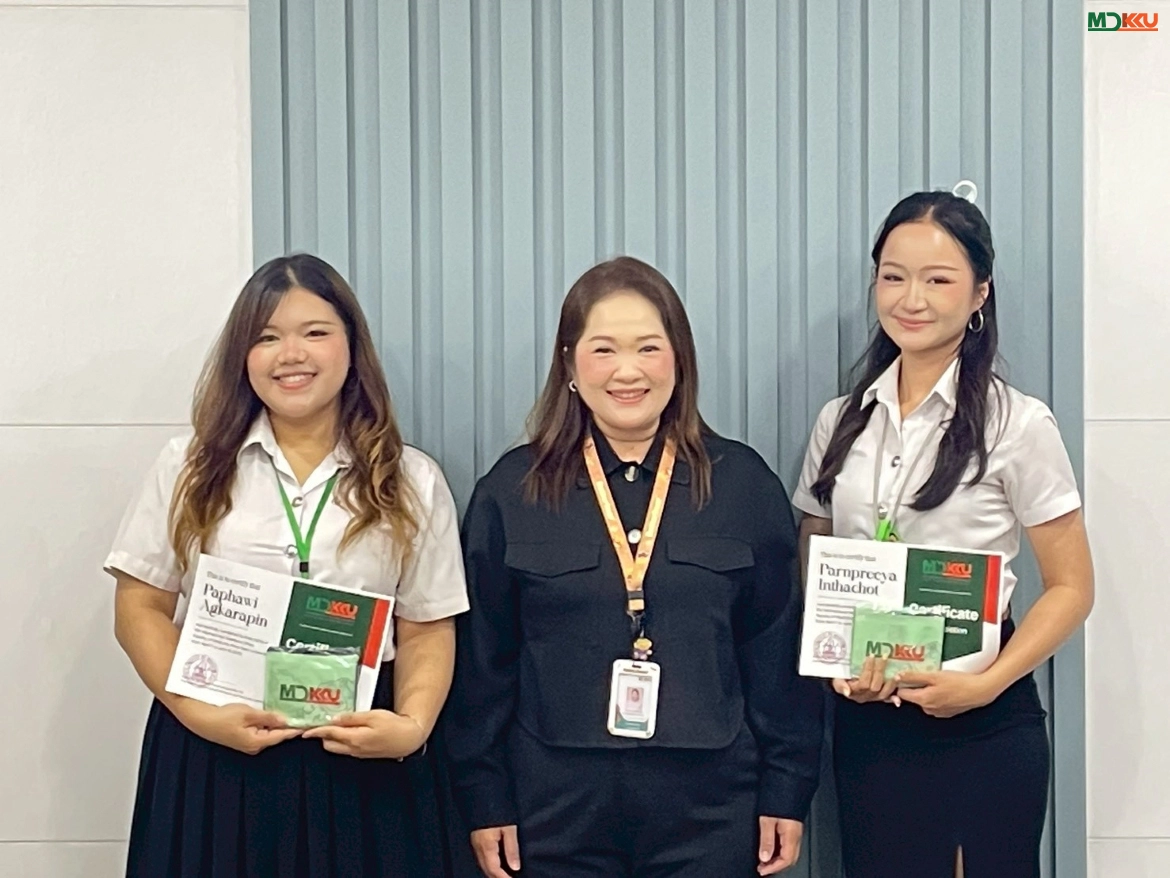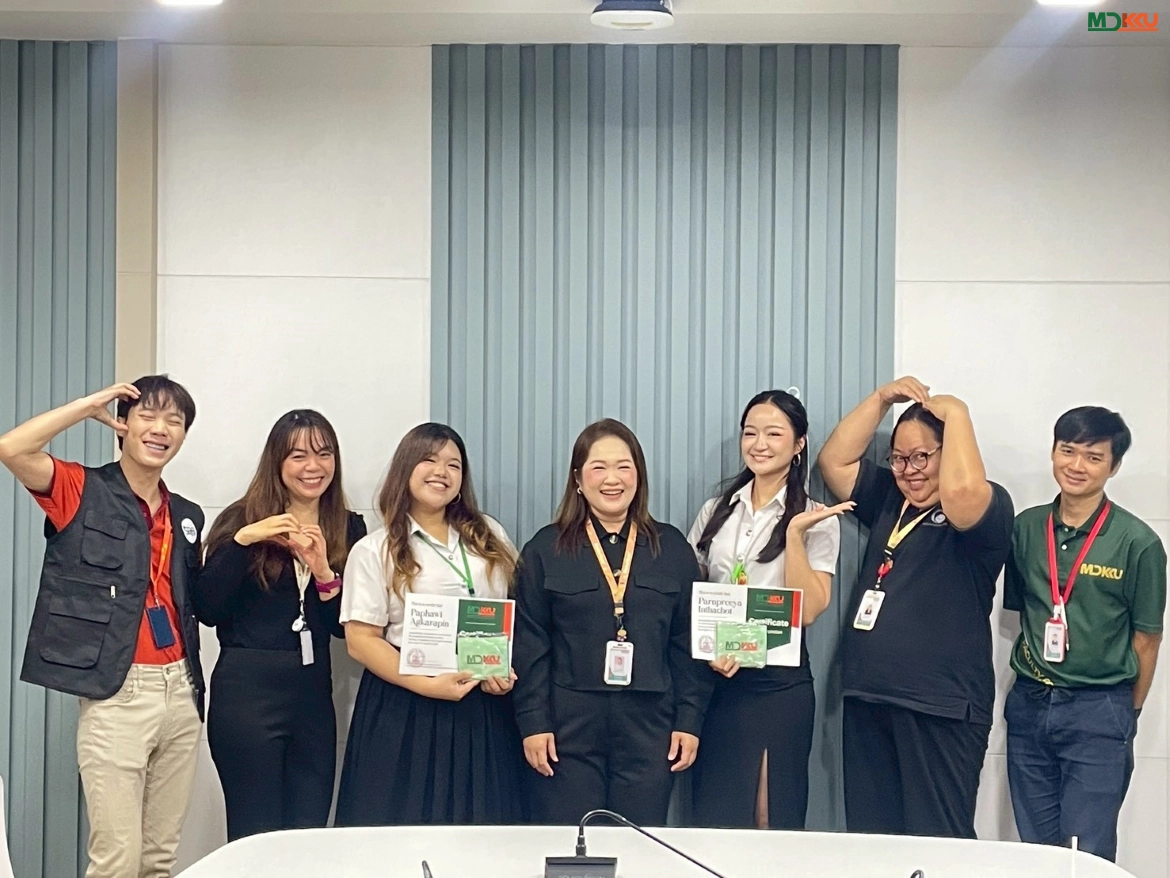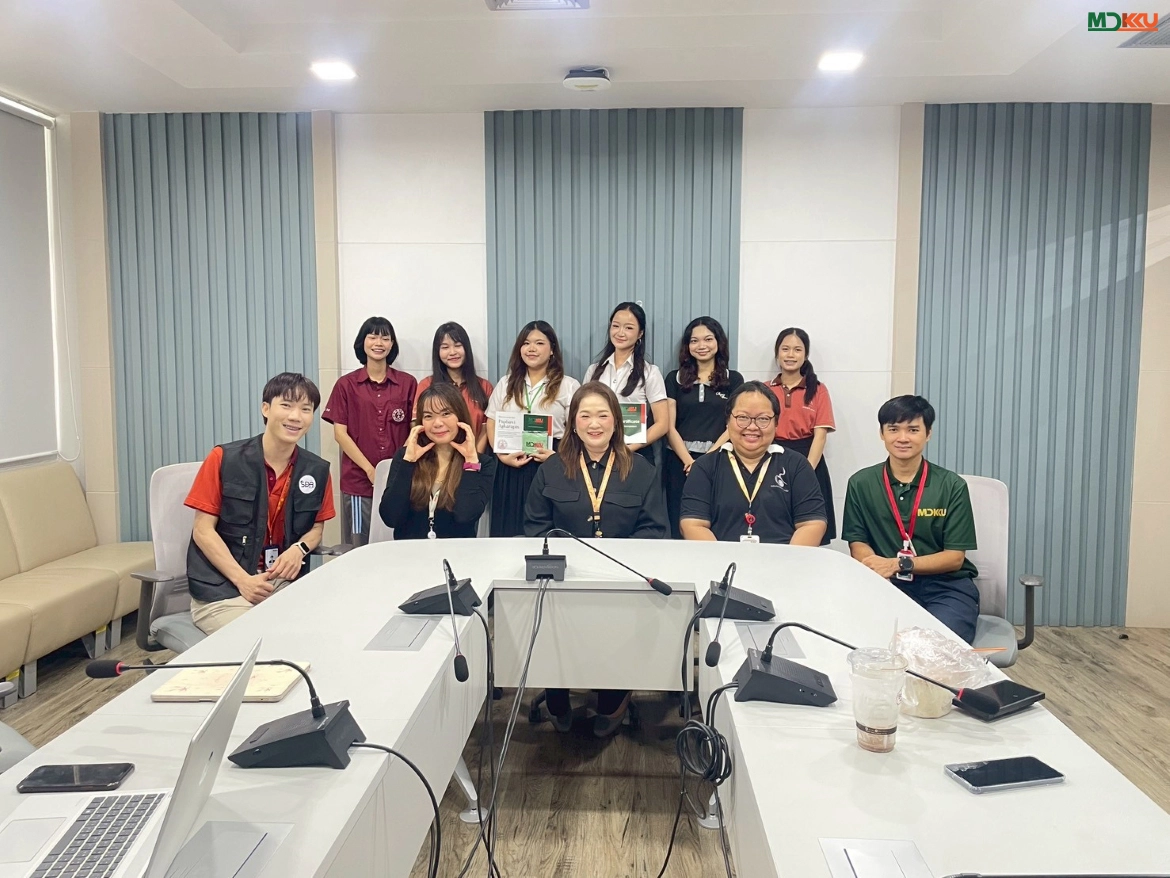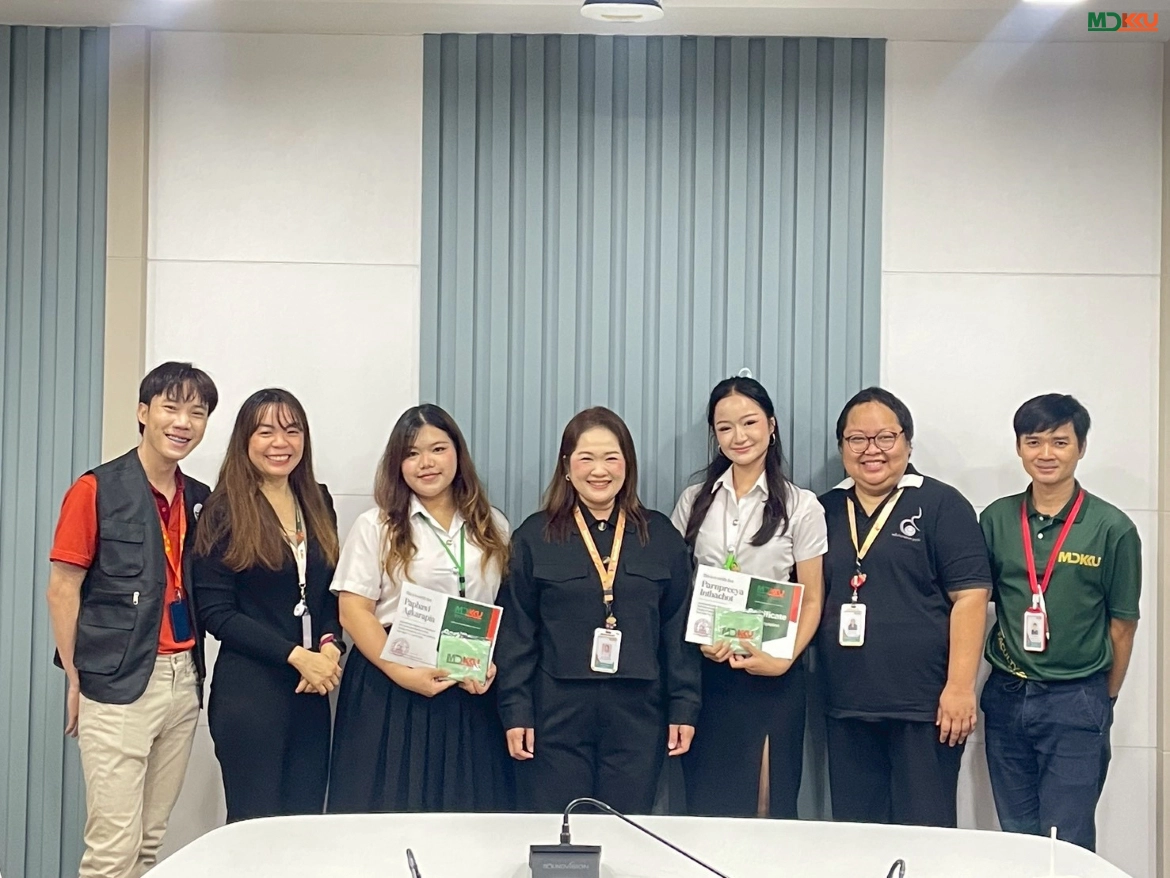
The Faculty of Medicine, Khon Kaen University (MDKKU), through its Department of Tropical Medicine, in collaboration with the Japan–ASEAN cooperation network, organized the Japan–ASEAN Training Workshop on One Health Approaches for Neglected Tropical Disease Control: Global Networking and Capacity Building from June 8–10, 2026, in Khon Kaen, Thailand. The workshop aimed to promote knowledge exchange, strengthen human resource capacity, and foster international collaboration in addressing neglected tropical diseases (NTDs) and zoonotic diseases through the One Health approach, which recognizes the interconnectedness of human, animal, and environmental health.
The workshop welcomed representatives from the Japanese Studies and Global Partnership Department, Japan, together with 20 selected participants from Indonesia, Malaysia, Myanmar, Lao PDR, the Philippines, and Vietnam, as well as local officers and student observers from Thailand. Participants gathered to exchange experiences and build collaborative networks to address shared health challenges across the region.

The opening ceremony was held at the Mongkut Ngern Room, Kosa Hotel, Khon Kaen Province, and was presided over by Assoc. Prof. Pattarapong Makarawate, MD, Dean of the Faculty of Medicine, Khon Kaen University, who emphasized the importance of integrated approaches to disease control:
“Our region continues to face significant public health and socioeconomic burdens from neglected tropical diseases and zoonoses, including liver fluke infection, dengue, and leptospirosis. As medical professionals, we recognize that these complex challenges cannot be solved from within hospital walls alone. Human health is inseparably linked to animal and environmental health. The One Health approach is not merely an option, but an absolute necessity for sustainable disease control.”
Ms. Akane Hiraiwa, Director of the Japanese Studies and Global Partnership Department, welcomed the participants and highlighted the importance of international cooperation:
“Sustainable disease prevention cannot be achieved by any single nation or sector alone. It is our hope that this workshop serves as a catalyst for a robust and enduring network of collaboration between Japan and ASEAN member countries.”
Meanwhile, Prof. Banchob Sripa, Director of the Tropical Disease Research Center and Chairman of the Organizing Committee, explained the vision behind the project:
“This workshop was established to address the ongoing challenges of neglected tropical diseases and zoonoses in ASEAN through the One Health approach. Supported by The Japan Foundation, it brings together participants from across the region to learn from leading experts and strengthen partnerships for sustainable disease control.”
The workshop brought together leading experts from diverse disciplines under the One Health framework, encompassing human health, animal health, and environmental health. Distinguished speakers included Assoc. Prof. Parnthep Ratanakorn, Technical Consultant to the Thailand National Wildlife Health Center, Mahidol University, and Secretary General of the Asian Elephant Foundation of Thailand; Dr. Wantanee Kalpravidh, former Global Manager of the Emergency Centre for Transboundary Animal Diseases, Food and Agriculture Organization of the United Nations (FAO); Dr. Soawapak Hinjoy, Advisory-Level Veterinary Officer from the Department of Disease Control, Ministry of Public Health, Thailand; Prof. Rungtip Chuanchuen from the Faculty of Veterinary Science, Chulalongkorn University; Asst. Prof. Waraphon Phimpraphai, Dean of the Faculty of Veterinary Medicine, Kasetsart University; Asst. Prof. Terdsak Yano from Chiang Mai University; Assoc. Prof. Sutas Suttiprapa, Head of the Department of Tropical Medicine, Faculty of Medicine, Khon Kaen University; Assoc. Prof. Sirikachorn Tangkawattana from the Faculty of Veterinary Medicine, Khon Kaen University; and Assoc. Prof. Surapol Padungthon from the Department of Environmental Engineering, Faculty of Engineering, Khon Kaen University.
The gathering of experts from medicine, veterinary science, public health, and environmental sciences underscored that contemporary challenges posed by neglected tropical diseases and zoonotic infections cannot be solved by any single discipline alone. Rather, they require integrated, multisectoral collaboration to ensure health security for communities, nations, and the region as a whole.
Throughout the three-day workshop, participants engaged in both theoretical and practical learning. The first day featured lectures on the Lancang–Mekong Cooperation Project Overview and One Health Experiences: Lessons Learned in the Greater Mekong Sub–region (GMS), networking activities through the Bridging One Health Partnership, panel discussions, and an introduction to the Lawa Model and systems thinking approaches for addressing complex health challenges.
One of the most significant components of the workshop was the field visit to Lawa Village in Khon Kaen Province on the second day. Internationally recognized as a successful model of One Health implementation, Lawa Village has demonstrated remarkable achievements through the Lawa Model in controlling liver fluke infection.
Participants visited Lawa Sub–district Health Promoting Hospital, where they learned about liver fluke disease, the implementation of the Lawa Model, waste management, and the critical role of village health volunteers in disease prevention and control at the community level.
The group then visited Ban Lawa School, which operates the “Liver Fluke-Free School” program to instill health awareness and promote behavioral change among young people. Participants also explored the traditional lifestyle surrounding Lawa Lake, observing fishermen at work and learning about the hygienic preparation of Koi Pla, a traditional local fish dish, as part of community-based efforts to promote food safety and prevent liver fluke infection. Discussions also focused on risk communication and strategies for promoting behavioral change within communities.
In addition, participants visited Don Por Daeng Village, where they explored environmental and animal health interventions, including environmental modification to reduce disease risk, pet healthcare, animal reservoir management, and the use of GPS technology for tracking disease reservoirs. These activities provided another tangible example of integrating human, animal, and environmental health under the One Health framework.
On the final day, participants presented lessons learned from the Lawa Model and exchanged ideas on how One Health approaches could be adapted and implemented within their respective countries to strengthen sustainable control of neglected tropical diseases and zoonotic diseases.
One student participant reflected on the experience:
“Visiting the Lawa Village helped me realize that solving health problems does not begin in hospitals; it begins with people. Teachers, students, village health volunteers, fishermen, and government agencies all have important roles to play. What I learned was not only how to control liver fluke disease, but also the power of community participation. If these principles are adapted in our own countries, we can reduce disease burdens, improve quality of life, and build stronger and more sustainable societies.”
Beyond serving as a platform for academic exchange, the Japan-ASEAN One Health Workshop fostered a network of emerging health leaders, researchers, and experts from across the region to jointly develop innovative and context-appropriate solutions for disease control.
The success of the Lawa Model has demonstrated that when scientific knowledge is combined with community empowerment and multisectoral collaboration, even complex health challenges can be addressed sustainably. The lessons learned from Lawa Village today represent not only a success story for Khon Kaen and Thailand, but also a model that can be shared with countries across ASEAN and beyond, contributing to a future in which people, animals, and the environment coexist in harmony under a common goal: “Sustainable Health for All Life on Earth.”
Written by: Sathaphorn Onlamun, International Relations Officer
มข. ผนึกญี่ปุ่น–อาเซียน ขับเคลื่อน One Health สู้โรคเขตร้อนที่ถูกละเลย สร้างเครือข่ายนานาชาติจากชุมชนสู่สุขภาพโลก
คณะแพทยศาสตร์ มหาวิทยาลัยขอนแก่น โดยสาขาวิชาเวชศาสตร์เขตร้อน ร่วมกับเครือข่ายความร่วมมือญี่ปุ่น–อาเซียน จัดการประชุมเชิงปฏิบัติการนานาชาติ Japan–ASEAN Training Workshop on One Health Approaches for Neglected Tropical Disease Control: Global Networking and Capacity Building ระหว่างวันที่ 8–10 มิถุนายน 2569 ณ จังหวัดขอนแก่น เพื่อแลกเปลี่ยนองค์ความรู้ พัฒนาศักยภาพบุคลากร และสร้างเครือข่ายความร่วมมือระดับนานาชาติในการควบคุมโรคเขตร้อนที่ถูกละเลย (Neglected Tropical Diseases: NTDs) และโรคติดต่อจากสัตว์สู่คน ผ่านแนวคิด One Health ซึ่งเชื่อมโยงสุขภาพของมนุษย์ สัตว์ และสิ่งแวดล้อมเข้าด้วยกันอย่างเป็นองค์รวม
การประชุมครั้งนี้ได้รับเกียรติจากผู้แทนของ Japanese Studies and Global Partnership Department ประเทศญี่ปุ่น พร้อมผู้เข้าร่วมที่ผ่านการคัดเลือกจำนวน 20 คน จากประเทศอินโดนีเซีย มาเลเซีย เมียนมา สปป.ลาว ฟิลิปปินส์ และเวียดนาม รวมถึงบุคลากรและนักศึกษาจากประเทศไทย เข้าร่วมแลกเปลี่ยนเรียนรู้และสร้างเครือข่ายความร่วมมือเพื่อรับมือกับความท้าทายด้านสุขภาพร่วมกันในระดับภูมิภาค
พิธีเปิดจัดขึ้น ณ ห้องมงกุฎเงิน โรงแรมโฆษะ จังหวัดขอนแก่น โดย รองศาสตราจารย์ภัทรพงษ์ มกรเวศ คณบดีคณะแพทยศาสตร์ มหาวิทยาลัยขอนแก่น กล่าวเปิดงานและเน้นย้ำถึงความสำคัญของการควบคุมโรคแบบบูรณาการว่า “ภูมิภาคของเรายังคงเผชิญกับความท้าทายด้านสาธารณสุขและผลกระทบทางเศรษฐกิจจากโรคเขตร้อนที่ถูกละเลยและโรคติดต่อจากสัตว์สู่คน ไม่ว่าจะเป็นโรคพยาธิใบไม้ตับ ไข้เลือดออก หรือโรคเลปโตสไปโรซิส ในฐานะบุคลากรทางการแพทย์ เราไม่สามารถแก้ปัญหาเหล่านี้ได้จากภายในโรงพยาบาลเพียงอย่างเดียว เพราะสุขภาพของมนุษย์เชื่อมโยงอย่างแยกไม่ออกกับสุขภาพสัตว์และสิ่งแวดล้อม แนวคิด One Health จึงไม่ใช่เพียงทางเลือก แต่เป็นความจำเป็นสำหรับการควบคุมโรคอย่างยั่งยืน”
ด้าน Ms. Akane Hiraiwa ผู้อำนวยการ Japanese Studies and Global Partnership Department กล่าวต้อนรับและเน้นย้ำถึงความสำคัญของความร่วมมือระหว่างประเทศว่า “การป้องกันโรคอย่างยั่งยืนไม่สามารถเกิดขึ้นได้จากประเทศใดประเทศหนึ่งหรือหน่วยงานใดหน่วยงานหนึ่งเพียงลำพัง เราหวังเป็นอย่างยิ่งว่าการประชุมเชิงปฏิบัติการครั้งนี้จะเป็นจุดเริ่มต้นของเครือข่ายความร่วมมือที่เข้มแข็งและยั่งยืนระหว่างประเทศญี่ปุ่นและประเทศสมาชิกอาเซียน”
ขณะที่ ศาสตราจารย์บรรจบ ศรีภา ผู้อำนวยการศูนย์วิจัยโรคเขตร้อน และประธานคณะกรรมการจัดงาน กล่าวรายงานถึงวัตถุประสงค์ของโครงการว่า “การประชุมเชิงปฏิบัติการครั้งนี้จัดขึ้นเพื่อตอบโจทย์ความท้าทายด้านโรคเขตร้อนที่ถูกละเลยและโรคติดต่อจากสัตว์สู่คนที่ยังคงส่งผลกระทบต่อภูมิภาคอาเซียน ภายใต้แนวคิด One Health โดยได้รับการสนับสนุนจาก The Japan Foundation เพื่อเปิดโอกาสให้ผู้เข้าร่วมจากประเทศต่าง ๆ ได้เรียนรู้จากผู้เชี่ยวชาญชั้นนำ และร่วมกันสร้างเครือข่ายความร่วมมือที่เข้มแข็ง อันจะนำไปสู่การควบคุมโรคอย่างยั่งยืนในอนาคต”
การประชุมครั้งนี้ได้รับความร่วมมือจากผู้เชี่ยวชาญชั้นนำหลากหลายสาขาภายใต้แนวคิด One Health ซึ่งครอบคลุมมิติด้านสุขภาพมนุษย์ สุขภาพสัตว์ และสิ่งแวดล้อม โดยมีวิทยากรสำคัญ ได้แก่ รองศาสตราจารย์ปานเทพ รัตนากร ที่ปรึกษาด้านเทคนิคศูนย์สุขภาพสัตว์ป่าแห่งชาติ มหาวิทยาลัยมหิดล และเลขาธิการมูลนิธิช้างแห่งประเทศไทย ดร. วันทนีย์ กัลล์ประวิทย์ อดีตผู้จัดการระดับโลก ศูนย์ปฏิบัติการโรคสัตว์ข้ามพรมแดน องค์การอาหารและเกษตรแห่งสหประชาชาติ (FAO) ดร. เสาวพักตร์ ฮิ้นจ้อย สัตวแพทย์ทรงคุณวุฒิ กรมควบคุมโรค กระทรวงสาธารณสุข ศาสตราจารย์รุ่งทิพย์ ชวนชื่น คณะสัตวแพทยศาสตร์ จุฬาลงกรณ์มหาวิทยาลัย ผู้ช่วยศาสตราจารย์วราพร พิมพ์ประไพ คณบดีคณะสัตวแพทยศาสตร์ มหาวิทยาลัยเกษตรศาสตร์ ผู้ช่วยศาสตราจารย์ เทิดศักดิ์ ญาโน คณะสัตวแพทยศาสตร์ มหาวิทยาลัยเชียงใหม่ รองศาสตราจารย์สุทัศน์ สุทธิประภา หัวหน้าสาขาวิชาเวชศาสตร์เขตร้อน คณะแพทยศาสตร์ มหาวิทยาลัยขอนแก่น รองศาสตราจารย์สิริขจร ตังควัฒนา คณะสัตวแพทยศาสตร์ มหาวิทยาลัยขอนแก่น และ รองศาสตราจารย์สุรพล ผดุงทน สาขาวิชาวิศวกรรมสิ่งแวดล้อม คณะวิศวกรรมศาสตร์ มหาวิทยาลัยขอนแก่น
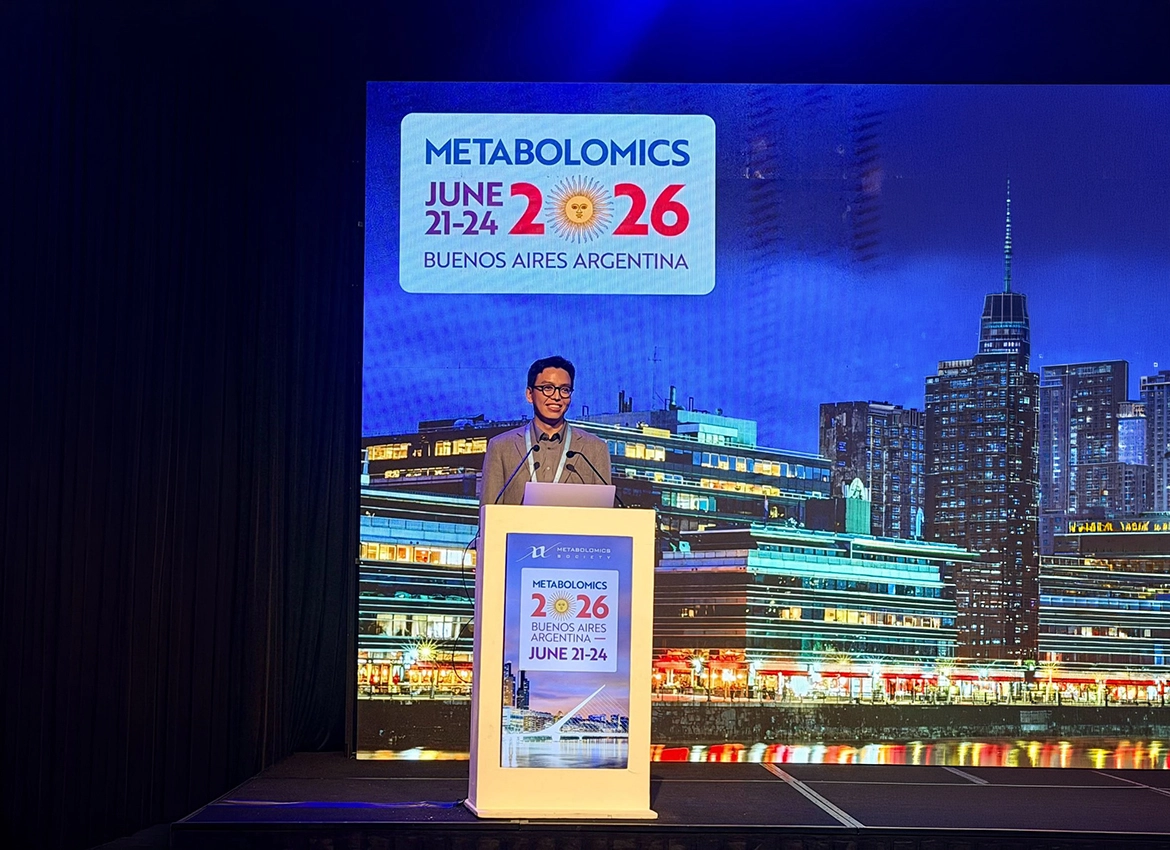
การรวมตัวของผู้เชี่ยวชาญจากศาสตร์การแพทย์ สัตวแพทยศาสตร์ สาธารณสุข และสิ่งแวดล้อม สะท้อนให้เห็นว่า ความท้าทายด้านโรคเขตร้อนและโรคติดต่อจากสัตว์สู่คนในปัจจุบันไม่สามารถแก้ไขได้ด้วยองค์ความรู้จากสาขาใดสาขาหนึ่งเพียงลำพัง แต่ต้องอาศัยความร่วมมือแบบบูรณาการจากทุกภาคส่วน เพื่อสร้างความมั่นคงทางสุขภาพให้กับประชาชนในระดับชุมชน ประเทศ และภูมิภาค
ตลอดระยะเวลา 3 วันของการประชุม ผู้เข้าร่วมได้เรียนรู้ทั้งภาคทฤษฎีและภาคปฏิบัติ โดยวันแรกประกอบด้วยการบรรยายหัวข้อ Lancang–Mekong Cooperation Project Overview และ One Health Experiences: Lessons Learned in the Greater Mekong Sub–region (GMS) การสร้างเครือข่ายผ่านกิจกรรม Bridging One Health Partnership การอภิปรายแลกเปลี่ยนมุมมองในรูปแบบ Panel Discussion ตลอดจนการเรียนรู้แนวคิด Lawa Model และ Systems Thinking ซึ่งเป็นเครื่องมือสำคัญในการวิเคราะห์และแก้ไขปัญหาสุขภาพที่มีความซับซ้อน
หนึ่งกิจกรรมสำคัญในครั้งนี้ คือการลงพื้นที่ศึกษาดูงาน ณ ชุมชนบ้านละว้า จังหวัดขอนแก่น ในวันที่สอง ซึ่งได้รับการยอมรับในระดับนานาชาติในฐานะพื้นที่ต้นแบบของการดำเนินงานตามแนวคิด One Health และความสำเร็จของ Lawa Model ในการควบคุมโรคพยาธิใบไม้ตับ โดยผู้เข้าร่วมได้เยี่ยมชม โรงพยาบาลส่งเสริมสุขภาพตำบลบ้านละว้า เพื่อเรียนรู้ภาพรวมของโรคพยาธิใบไม้ตับ การดำเนินงานของ Lawa Model การจัดการขยะและสิ่งแวดล้อมในชุมชน รวมถึงบทบาทของอาสาสมัครสาธารณสุขประจำหมู่บ้านในการขับเคลื่อนการควบคุมโรคในระดับพื้นที่
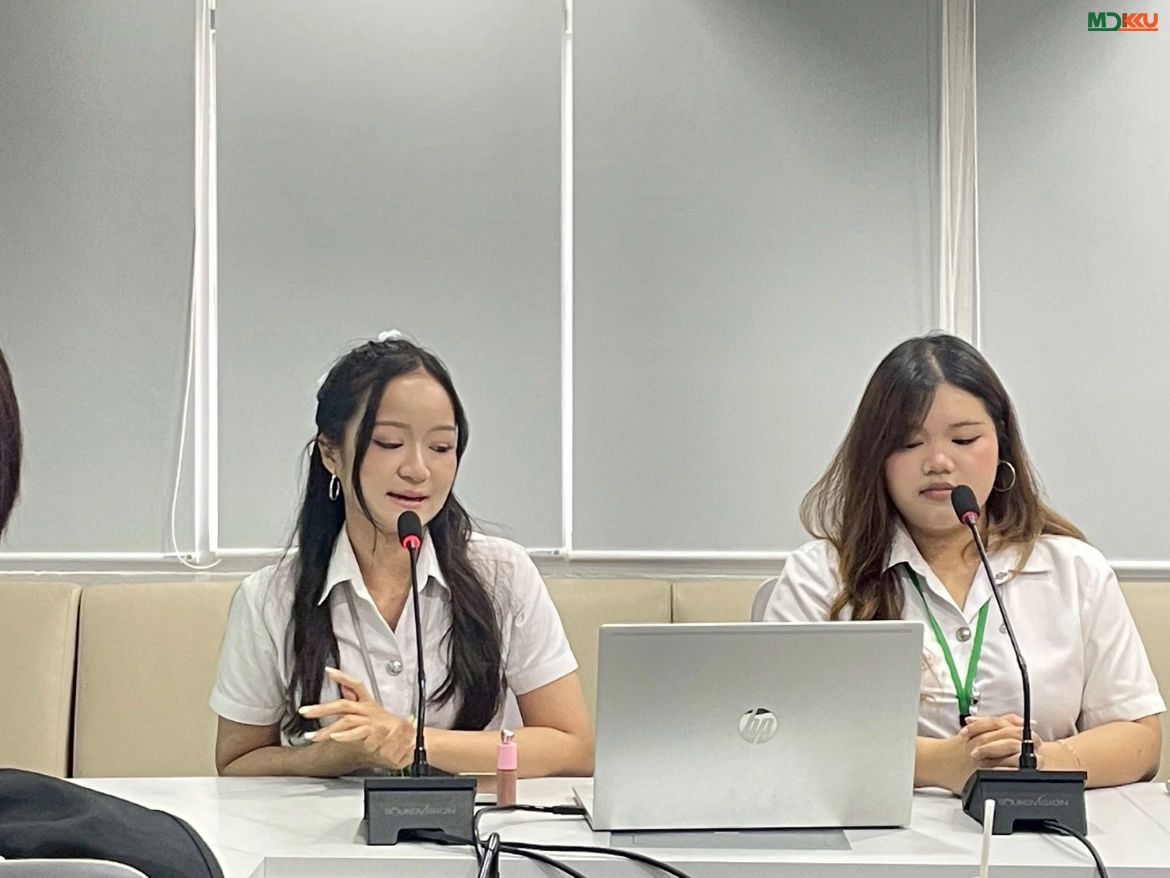
จากนั้นได้ศึกษาดูงานที่ โรงเรียนบ้านละว้า ซึ่งดำเนินโครงการ “โรงเรียนปลอดพยาธิใบไม้ตับ” เพื่อปลูกฝังความรู้ด้านสุขภาพแก่เยาวชนและสร้างการเปลี่ยนแปลงพฤติกรรมตั้งแต่วัยเด็ก ก่อนลงพื้นที่เรียนรู้วิถีชีวิตของชาวประมงในพื้นที่ พร้อมศึกษาการประกอบอาหารพื้นบ้าน ‘ก้อยปลา’ อย่างถูกสุขลักษณะ ซึ่งเป็นส่วนหนึ่งของการขับเคลื่อนชุมชนเพื่อส่งเสริมความปลอดภัยด้านอาหารและป้องกันโรคพยาธิใบไม้ตับอย่างยั่งยืน ตลอดจนการแลกเปลี่ยนแนวทางการสื่อสารความเสี่ยงและการปรับเปลี่ยนพฤติกรรมสุขภาพในชุมชน
นอกจากนี้ คณะผู้เข้าร่วมยังได้ศึกษาการดำเนินงานด้านสิ่งแวดล้อมและสุขภาพสัตว์ ณ บ้านดอนปอแดง เรียนรู้การปรับเปลี่ยนสภาพแวดล้อมเพื่อลดปัจจัยเสี่ยงของโรค การดูแลสุขภาพสัตว์เลี้ยง การควบคุมสัตว์รังโรค และการประยุกต์ใช้เทคโนโลยี GPS ในการติดตามสัตว์พาหะ ซึ่งเป็นอีกตัวอย่างสำคัญของการบูรณาการองค์ความรู้ด้านมนุษย์ สัตว์ และสิ่งแวดล้อมเข้าด้วยกันอย่างเป็นรูปธรรม
ในวันสุดท้าย ผู้เข้าร่วมจากทุกประเทศได้นำเสนอบทเรียนที่ได้รับจาก Lawa Model พร้อมแลกเปลี่ยนแนวทางการประยุกต์ใช้แนวคิด One Health ในบริบทของแต่ละประเทศ เพื่อพัฒนากลไกการควบคุมโรคเขตร้อนที่ถูกละเลยและโรคติดต่อจากสัตว์สู่คนอย่างยั่งยืน
หนึ่งในนักศึกษาผู้เข้าร่วมโครงการกล่าวถึงความประทับใจว่า “การได้มาเรียนรู้ที่ชุมชนบ้านละว้าทำให้ผมเข้าใจว่า การแก้ปัญหาสุขภาพไม่ได้เริ่มต้นที่โรงพยาบาล แต่เริ่มต้นจากคนในชุมชน ทุกคนมีบทบาทสำคัญตั้งแต่ครู นักเรียน อาสาสมัครสาธารณสุข ชาวประมง ไปจนถึงหน่วยงานภาครัฐ สิ่งที่ผมได้เรียนรู้ไม่ใช่เพียงวิธีควบคุมโรคพยาธิใบไม้ตับ แต่คือพลังของการมีส่วนร่วมของชุมชน หากแนวคิดนี้ถูกนำไปประยุกต์ใช้ในประเทศต่าง ๆ เราจะสามารถลดภาระโรค ยกระดับคุณภาพชีวิตประชาชน และสร้างสังคมที่เข้มแข็งและยั่งยืนได้ในอนาคต”
การจัดประชุม Japan-ASEAN One Health Workshop ครั้งนี้ ไม่เพียงเป็นเวทีแลกเปลี่ยนองค์ความรู้ทางวิชาการ แต่ยังเป็นการสร้างเครือข่ายผู้นำด้านสุขภาพรุ่นใหม่ นักวิจัย และผู้เชี่ยวชาญจากหลากหลายประเทศ ให้ร่วมกันพัฒนานวัตกรรมและแนวทางการจัดการโรคที่เหมาะสมกับบริบทของแต่ละพื้นที่
ความสำเร็จของ Lawa Model ได้พิสูจน์ให้เห็นว่า เมื่อองค์ความรู้ทางวิชาการผสานเข้ากับพลังของชุมชนและความร่วมมือจากทุกภาคส่วน การแก้ไขปัญหาสุขภาพที่ซับซ้อนสามารถเกิดผลลัพธ์ที่ยั่งยืนได้จริง บทเรียนจากชุมชนบ้านละว้าในวันนี้จึงไม่ได้เป็นเพียงความสำเร็จของจังหวัดขอนแก่นหรือประเทศไทยเท่านั้น แต่ยังเป็นต้นแบบที่สามารถส่งต่อไปยังประเทศต่าง ๆ ในอาเซียนและภูมิภาคอื่นของโลก เพื่อร่วมกันสร้างอนาคตที่ประชาชน สัตว์ และสิ่งแวดล้อม สามารถอยู่ร่วมกันได้อย่างมีสุขภาวะ ภายใต้เป้าหมายเดียวกันคือ “สุขภาพที่ยั่งยืนสำหรับทุกชีวิตบนโลก”
เรียบเรียงข่าว : สถาพร อ่อนละมูล นักวิเทศสัมพันธ์